High Carb Low Protein Diet

High Carb Low Protein Diet

Photo Courtesy: Eva-Katalin/Getty Images

When it comes to your morning meal, grabbing a muffin, bagel, quick bowl of cereal or yogurt cup may seem like the most ideal — or at least the most convenient — choice to hold you over until lunch. But sugary, carb-laden breakfasts may not be as beneficial as we think they are, and it's ideal to try and get more protein into your morning meal.

The hype around low-calorie, high-protein breakfasts isn't unwarranted. Sugary, low-protein breakfasts can leave you feeling sluggish and foggy before your day even begins. On the other hand, breakfast dishes that are high in protein and low in sugar and calories can help you start your day with more energy, contribute to healthy weight management and even keep your concentration and productivity steady. If those sound like benefits you want to enjoy, check out these tasty, protein-packed breakfast options to kick off your morning the right way.

There are multiple benefits that can make high-protein, low-calorie breakfasts an optimal choice. For starters, early-morning protein helps keep your blood sugar levels stable and limits your hunger throughout the day, which can help you maintain a healthy weight. Protein-rich foods also contribute positively to your cognition, helping you start your day alert, aware, focused and energized. Additionally, starting with a high-protein breakfast can make it easier for you to meet your protein requirements for the day. These effects have been observed in both children and adults.

Photo Courtesy: Brianna Soukup/Portland Press Herald via Getty Images

According to the American Society for Nutrition, breakfast for a healthy adult should provide at least 15% of daily calorie needs. While these numbers can vary based on your activity level, age and weight-loss goals, women generally need around 2,000 calories per day and men should consume around 2,400, notes the Academy of Nutrition and Dietetics. This means that a low-calorie breakfast should still be around 300–360 calories.

That being said, this type of breakfast is not an ideal choice for everyone. People who are underweight or nearly underweight can opt for breakfast choices with more healthy fat than protein, keeping in mind that it's important to discuss these choices with a dietician to ensure they're appropriate. Additionally, if you're used to high-carb or high-sugar breakfasts, going cold turkey from them can result in a morning drop in blood sugar that may have you feeling tired until your body adapts.

Lastly, high-protein breakfasts often require a bit more time and dedication than grabbing a yogurt cup. If you find yourself pressed for time in the mornings, you may want to try your hand at waking up earlier or trying out some meal prepping ahead of time before you commit to maintaining this breakfast routine.

Ultimately, eating more high-protein and low-cal breakfasts can have numerous positive effects on your concentration, muscle health, metabolism and energy. Just remember that it's always a good idea to discuss these choices with a doctor before you start your new breakfast routine to ensure that it's right for you and your nutritional needs.

Protein-Rich Breakfasts on the Savory Side

Those who start the day with a classic breakfast often opt for savory dishes — bacon, sausage, eggs and toast — but not every breakfast item packs the sort of protein that many people need for energy in the mornings. Fortunately, there are plenty of protein-packed, low-calorie options for those who favor savory foods.

Photo Courtesy: John McDonnell / The Washington Post via Getty Images

One dish that meets these prerequisites is an omelet. Eggs can be low-calorie, particularly if you only use the whites, and a large egg has over 12 grams of protein. Preparing an omelet from scratch gives you the chance to add in even more protein-rich ingredients, such as cottage cheese, lean meats and low-calorie veggies like spinach.

Another protein-packed breakfast option is a homemade breakfast sandwich. Preparing this dish with low-carb, high-protein bagels or bread is key. You can purchase these breads pre-made and fill your breakfast sandwich with ingredients like scrambled egg whites, feta cheese, tomatoes and avocado to ensure there's as much flavor as there is nutrition. This dish is packed with protein, healthy fats and minimal sugar while keeping the calories lower than traditional breakfast sandwiches.

One last option is a spin on the classic breakfast burrito. To turn this breakfast favorite into a healthier, more energy-boosting option, you can utilize ingredients that are high in protein and low in sugar, such as lean turkey, egg whites, black beans, white-meat chicken and a sprinkle of shredded cheese. You can also buy carb-reduced tortillas or create your own using almond flour. With a dash of hot sauce or some pickled jalapeno slices, this twist on an old favorite might become your new go-to morning meal.

Low-Cal Dishes on the Sweeter Side

Some people prefer sweeter options for breakfast, such as cereal, sweetened bagels and yogurt. Fortunately, you don't have to give up your sweet tooth to enjoy a breakfast that's low in calories and high in protein.

Photo Courtesy: Laura Chase de Formigny/Getty Images

One delicious option is a homemade yogurt power bowl. With hundreds of available ways to mix up your bowl depending on the flavors you prefer, this yogurt-based breakfast option is a great choice, especially if you like to customize your meal or enjoy something new each morning. By adding in ingredients like nuts, almonds, chia seeds and other protein-rich morsels, you'll be able to pack a protein punch into your yogurt. Try to use plain Greek yogurt, and be careful with nuts; they're healthy, but they're calorically dense.

Ready for another twist on a classic? It's one you might not expect to find on a low-cal list: pancakes. Although pancakes aren't inherently high in protein and low in calories, you can create your own mix using almond flour or coconut flour as the base, which drops the carb levels and adds protein. Mixing a scoop of protein powder into the recipe can boost the protein content even more. You'll want to skip the syrup on these pancakes, but replacing it with some nut butter and a pinch of cinnamon and unsweetened coconut flakes might have you forgetting all about supersweet maple syrup.

Resource Links:

https://nutrition.org/protein-its-whats-for-breakfast/

https://healthysd.gov/link_brain-foods-that-may-help-you-concentrate/

https://academic.oup.com/ajcn/article/105/6/1351/4668664?searchresult=1

https://academic.oup.com/ajcn/article/97/4/677/4576985?searchresult=1

https://chicagohealthonline.com/the-power-of-protein-at-breakfast/

https://www.eatright.org/food/nutrition/dietary-guidelines-and-myplate/how-many-calories-do-adults-need

https://fdc.nal.usda.gov/fdc-app.html#/food-details/748967/nutrients

MORE FROM SYMPTOMFIND.COM

High Carb Low Protein Diet

Source: https://www.symptomfind.com/health/low-cal-high-protein-breakfast-options?utm_content=params%3Ao%3D740013%26ad%3DdirN%26qo%3DserpIndex

Share:

New Information About Vitamin D

New Information About Vitamin D

One of the risk factors du jour for coronavirus disease 2019 (COVID-19) has been vitamin D deficiency.

Even Anthony Fauci, MD, has said he takes a vitamin D supplement. Vitamin D "does have an impact on your susceptibility to infection," Fauci, director of the National Institute of Allergy and Infectious Diseases, told actress Jennifer Garner in a September interview. "I would not mind recommending—and I take it myself—taking vitamin D supplements."

Image description not available.

Most people get some vitamin D from sunlight exposure, although individuals in the US get the nutrient mainly from fortified foods, such as milk, orange juice, and breakfast cereals.

At higher latitudes, people with more melanin content in their skin have lower blood levels of vitamin D because their skin doesn't produce as much in response to sunlight. A recent article in the Journal of the National Medical Association speculated that vitamin D deficiency "is likely a significant factor" behind disproportionately high COVID-19 cases and deaths among US Black and Latino populations.

An analysis of data from 4962 participants in the National Health and Nutrition Examination Survey found that 1981 (39.92%) were vitamin D deficient, defined as a blood level lower than 20 ng/mL (<50 nmol/L). Vitamin D deficiency was greater in certain subpopulations, such as people with obesity or with type 1 or type 2 diabetes—all 3 of which have been associated with worse COVID-19 outcomes.

Despite Fauci's recommendation and claims by many supplement sellers, conclusions about vitamin D blood levels' connection to a host of diseases, including infections, cannot be determined because of mixed or sparse evidence, according to a recent report written for the US Preventive Services Task Force, which is updating its recommendation on vitamin D deficiency screening. The draft updated recommendation, like its 2014 predecessor, concludes that the evidence is insufficient to assess the benefits and harms of screening in asymptomatic adults for any reason.

"Vitamin D might be helpful in that there is evidence it can attenuate immune responses," which could prevent the "cytokine storms" seen in some patients with COVID-19, A. Catharine Ross, PhD, chair of nutrition sciences at Penn State, wrote in an email. "On the other hand, attenuation might not be beneficial in terms of helping the antibody response."

Research findings about vitamin D and COVID-19 have been mixed and sparse:

  • A study of 77 frail elderly patients hospitalized with COVID-19 in France concluded that vitamin D supplements taken regularly during the year before a COVID-19 diagnosis were associated with less severe disease and better survival than taking no vitamin D or receiving supplementation shortly after diagnosis. And a pilot randomized clinical trial of 76 patients hospitalized with COVID-19 in Spain found that treatment with high-dose vitamin D significantly reduced the risk of intensive care unit admission. However, only larger trials could provide a definitive answer, the authors wrote.

  • On the other hand, a study in a northern Italy hospital found no association between vitamin D and COVID-19. In a review article published in a different journal the same day as their study, the researchers in Italy concluded that poor vitamin D status appears to be linked to an increased risk of severe acute respiratory syndrome coronavirus 2 (SARS-CoV-2) infection, but age, sex, and comorbidities seem to play a more important role in COVID-19 severity and mortality. Nine days later, a different group of Italian researchers published an observational study of 324 patients with COVID-19 that found taking vitamin D supplements was not linked to risk of hospitalization but was associated with a higher risk of dying if hospitalized.

  • A recent study in JAMA Network Open by University of Chicago researchers linked vitamin D deficiency with a greater likelihood of testing positive for SARS-CoV-2. However, an earlier study of UK Biobank participants found no such connection. The Chicago researchers noted that vitamin D levels examined in the UK study predated COVID-19 diagnoses by at least a decade, so they could have changed by the time SARS-CoV-2 testing took place.

Some of the evidence about vitamin D and COVID-19 doesn't pass the smell test, according to a July letter to the editor of the British Journal of Nutrition.

The authors focused on an Indonesian retrospective study linking low vitamin D levels to a higher risk of dying from COVID-19. Although the publication had not been peer-reviewed, "it has taken the internet by storm," garnering thousands of tweets, not to mention headlines in major news outlets, the letter writers noted.

The problem, they said, was that they couldn't track down the authors of the study, which didn't mention the names or number of hospitals involved. Plus, vitamin D levels aren't routinely checked in Indonesia, so it's unclear how the authors would have acquired that information retrospectively. Although the paper is no longer on SSRN, the preprint repository, it can still be found online.

In mid-October, the editors of PLoS One issued an "expression of concern" about a vitamin D study they had published 3 weeks earlier, which found that among patients hospitalized with COVID-19, those with vitamin D levels lower than 30 ng/mL were twice as likely to die than the others.

Only 31.06% of study participants had a laboratory-confirmed COVID-19 diagnosis and potential confounders might not have been adequately addressed. "Vitamin D levels may be indicative of comorbidities that may themselves impact COVID outcomes," explained the editors, who said they are reassessing the article.

The editors also questioned the authors' declaration of no competing interests. Public information suggests that corresponding author Michael Holick, MD, PhD, of the Boston University School of Medicine, does have competing interests, including consulting work, industry funding, and authorship of books (such as 2011's The Vitamin D Solution), the editors wrote.

By early December 2020, dozens of studies examining vitamin D and COVID-19, most of which had not yet started recruiting participants, were listed on ClinicalTrials.gov.

Whether any of these studies can settle the debate isn't clear. The "sponsors and collaborators" section for several planned US studies lists parties that stand to profit if vitamin D deficiency is shown to worsen COVID-19 outcomes, raising the specter of conflicts of interest. In addition, at least 3 US studies plan to test vitamin D in conjunction with hydroxychloroquine, which has repeatedly been shown to be ineffective against COVID-19, most recently in JAMA.

"The credibility of clinical trials requires a hands-off approach from funders," Ross noted. For that reason, she said, research sponsored by the National Institutes of Health (NIH) is preferred to that funded by the supplement industry.

However, none of the vitamin D and COVID-19 studies on ClinicalTrials.gov appears to be NIH-funded.

JoAnn Manson, MD, chief of preventive medicine at the Brigham and Women's Hospital, is a principal investigator for one of the largest. In July, Manson coauthored a "call to action" to eliminate vitamin D deficiency during the pandemic. Two of the 11 sources it cited were the questionable preprint from Indonesia and a BMJ "Rapid Response" that also cited the preprint. Tishcon Corporation, a vitamin supplement manufacturer, and Quest Diagnostics, which markets a $69 vitamin D test directly to consumers, are among the sponsors and collaborators of Manson's study, as are Sweden's prestigious Karolinska Institute and Harvard Medical School.

Pediatrician Carol Wagner, MD, of the Medical University of South Carolina, is leading a study with 2 sponsors and collaborators that have a vested interest in the findings. ZRT Laboratory, a Beaverton, Oregon, company, sells a $75 vitamin D test directly to consumers. Grassroots Health Nutrient Research Institute operates "D*action," "a global vitamin D population intervention program" that charges participants $65 for a vitamin D test. Holick serves on the institute's International Scientists Panel.

Regardless of whether vitamin D protects against COVID-19, adequate levels are important for bone health.

"Avoiding vitamin D deficiency is always a goal," Ross wrote. "If the diet doesn't include vitamin D fortified milk or natural products like fish, then a supplement of the RDA [recommended dietary allowance] amount (600-1000 IU per day) provides good assurance. I consider this a 'good idea,' but I don't want to leave the impression that diet cannot be sufficient."

Back to top

Article Information

Accompanying this article is the JAMA Medical News Summary, an audio review of news content appearing in this month's issues of JAMA. To listen to this episode and more, visit the JAMA Medical News Podcast.

New Information About Vitamin D

Source: https://jamanetwork.com/journals/jama/fullarticle/2775003

Share:

Low Vitamin D Pregnancy Symptoms

Low Vitamin D Pregnancy Symptoms

Many cases of leukemia across the globe may be caused by vitamin D deficiency as a result of low sunlight exposure. This is the conclusion of a new study published in PLOS One.

[Vitamin D sources on a notepad] Share on Pinterest
Researchers suggest low vitamin D levels, mediated by low UVB exposure, may be responsible for many leukemia cases worldwide.

Leukemia is a cancer of the blood cells, most commonly affecting the white blood cells, or leukocytes, that help fight infection.

There were around 352,000 new cases of leukemia diagnosed worldwide in 2012, and last year, more than 54,000 cases of the cancer were diagnosed in the US alone.

While scientists are still unsure of the exact causes of leukemia, genetic and environmental factors are thought to play a role.

A number of studies have shown that vitamin D metabolites in the blood – known as 25-hydroxyvitamin D, or 25(OH)D, which is an indicator of the body's vitamin D levels – interact with acute myeloid leukemia (AML) cells. What is more, some studies have identified low vitamin D levels in patients with AML.

While vitamin D is found in some foods, including oily fish, cheese and egg yolks, it is present in small amounts. The body's best source of vitamin D is sunlight; ultraviolet B (UVB) radiation from the sun penetrates bare skin, inducing vitamin D synthesis.

In this latest study, coauthor Cedric Garland, adjunct professor in the Department of Family Medicine and Public Health at the University of California-San Diego, and colleagues set out to investigate whether low UVB exposure and low vitamin D levels are associated with leukemia risk.

Garland and colleagues analyzed data from the International Agency for Cancer Research's (IARC) Global Cancer (GLOBOCAN) 2012 database.

Fast facts about leukemia

  • Leukemia accounted for around 3.3% of all new cancer cases in the US last year
  • Around 1.5% of men and women in the US will be diagnosed with leukemia at some point in their lives
  • Around 58.5% of people with leukemia survive 5 years or more after diagnosis.

Learn more about leukemia

The team looked at the age-adjusted leukemia incidence rates for 172 countries, and the cloud cover-adjusted UVB irradiance for each country was assessed using data from the International Satellite Cloud Climatology Project.

The researchers found that individuals living in countries farther away from the equator, such as the US, Australia, New Zealand, Canada and Ireland, were at least twice as likely to have leukemia as people living in countries closes to the equator, such as Nigeria, Bolivia, Samoa and Madagascar.

The association remained after accounting for sex-specific life expectancy and altitude, according to the authors.

The team explains that individuals who live farther away from the equator are exposed to solar energy that has traveled farther through the Earth's atmosphere, which reduces the amount of UVB radiation that reaches the skin.

As such, the researchers say it is "plausible" that much of the leukemia burden across the globe is a result of low vitamin D levels caused by low UVB exposure.

"Skin photosynthesis accounts for a large proportion of 25(OH)D concentration. As a result, the inverse association between cloud-adjusted solar UVB exposure and incidence rates is likely to be mediated by circulating 25(OH)D, which is highly dependent on solar UVB irradiance," they explain, adding:

"Importantly, these results suggest that increased levels of UVB irradiance and vitamin D may help prevent development of leukemia."

While the team says some key strengths of their study are the inclusion of thousands of leukemia cases from hundreds of countries and the fact the findings are consistent with results from previous studies, they admit there are some limitations.

For example, they were unable to control for other factors that may fuel differences in leukemia risk between countries. "Some of these confounders may be very influential on risk for leukemia," they note.

Still, Garland and colleagues believe the association between low UVB exposure, low vitamin D levels and leukemia warrants further investigation.

While vitamin D deficiency has been linked to a number of health problems, a recent study reported by Medical News Today suggests higher monthly doses of the vitamin may increase the risk of falls among seniors.

Low Vitamin D Pregnancy Symptoms

Source: https://www.medicalnewstoday.com/articles/304797

Share:

Kebaikan Vitamin D Shaklee

Kebaikan Vitamin D Shaklee

Photo Courtesy: Justin Paget/DigitalVision/Getty Images

Vitamin D is important for maintaining a healthy body, primarily because it helps you fully maximize your body's absorption and utilization of calcium, an important mineral that we all need. When paired with calcium, vitamin D helps regulate bone remodeling and growth, ensuring healthy, strong bones. Vitamin D can also help protect older adults from osteoporosis, which occurs due to excess bone loss from aging.

Furthermore, this nutrient boosts your immune system and reduces inflammation within your body, potentially warding off future medical conditions in the process. It also plays a vital role in cell growth, neuromuscular functions and protein encoding. Studies have shown that a regular, healthy vitamin D intake can also serve as an antidepressant and make people feel generally happier. But that's not all you'll want to know about vitamin D.

Vitamin D is naturally found in certain foods and now appears in many more foods that have been fortified with added nutrients. The best sources of naturally occurring vitamin D are oily fish such as salmon, tuna, cod, sardines and mackerel. Fish liver oils are another good source of vitamin D. Small amounts of the nutrient are present in beef liver, cheese, egg yolks and mushrooms.

Photo Courtesy: Alexander Spatari/Moment/Getty Images

Commonly, vitamin D-fortified foods include whole milk, orange juice, margarine and breakfast cereals. It's important to look at the label and nutrition facts to verify that vitamin D is in a particular food you're considering. Because dairy products are often fortified with vitamin D, lactose intolerant or vegan individuals should keep an eye on their diets to ensure they get enough of the vitamin.

Sun exposure is another method of naturally obtaining vitamin D, as our bodies can create their own vitamin D upon exposure to ultraviolet (UV) rays from the sun. However, it's difficult to gauge exactly how much sun exposure can generate sufficient vitamin D, as overexposure can be harmful, too. UV rays are also known to trigger free radicals, which can lead to skin cancer if left unchecked.

It's been suggested that getting approximately 15 minutes of sun exposure between 10 a.m. and 3 p.m. at least twice a week to your face, arms, legs or back will help your body synthesize enough vitamin D. It's important to note that you can't cover the exposed area of your body with sunscreen if you choose to get vitamin D naturally. The SPF blocks UV rays and can hinder your body's ability to create vitamin D. If you're in the shade or behind a window, the rays will not get through. If the climate where you live is primarily cloudy, it's important to get your recommended amount of vitamin D via other means.

Dietary supplements are also an excellent way of obtaining vitamin D. Supplements come in two forms: vitamin D3 (cholecalciferol), which is identical to the form your body makes when exposed to sunlight, and vitamin D2 (ergocalciferol), which differs slightly from D3 in its chemical side-chain structure. There's some evidence that vitamin D3 increases and maintains overall levels slightly better than vitamin D2.

Side Effects of a Vitamin D Deficiency

Vitamin D deficiency occurs when you don't adequately absorb the nutrient or when your kidneys can't convert the nutrient to its active form. This deficiency can result in medical conditions, two of which are called rickets and osteomalacia.

Photo Courtesy: RealPeopleGroup/E+/Getty Images

Rickets, a disease characterized by a failure of bone tissues to get enough minerals, can result in abnormal, soft bones and skeletal deformities. It's most common in children. Fortunately, it isn't permanent, and kids can consume as few as 1 to 3 teaspoons of cod liver oil a day to reverse the condition.

With the help of fortified foods today, rickets is almost obsolete in the United States. Osteomalacia, characterized by soft and weak bones, is usually present in adults. It's commonly treated with an intense regimen of vitamin D replacement under the care of a physician.

Vitamin D and Other Health Conditions

Vitamin D deficiency has been linked to cardiovascular disease, and people with lower levels of vitamin D appear to be at an increased risk of having a heart attack or stroke. However, the exact relationship isn't clear, and there appears to be no benefit to cardiovascular risk in taking a vitamin D supplement.

Photo Courtesy: PixelsEffect/E+/Getty Images

Research is also ongoing to find if there's a link between vitamin D and multiple sclerosis (MS). It appears that vitamin D deficiency is linked to the development of MS, and people with MS and higher levels of vitamin D appear to have reduced disease activity.

Low vitamin D has been linked to an increased risk of contracting respiratory illnesses such as influenza A. It appears that people with low vitamin D levels are at greater risk of severe novel coronavirus (COVID-19) infection. It's not clear yet if routine vitamin D supplementation would reduce this risk.

Because vitamin D is a fat-soluble substance, it can stay in your body for several days. Thus, vitamin D poisoning is possible if you supplement too much vitamin D over a period of a few months. Symptoms of vitamin D overdose include dehydration, vomiting, decreased appetite, irritability, constipation and fatigue. If left unaddressed, vitamin D poisoning can lead to anorexia, over-calcification of the bones and internal organs, kidney stones and hypertension (high blood pressure). It's important to note that vitamin D poisoning usually only occurs with excessive intake of dietary supplements. It's highly unlikely to occur as a result of normal dietary intake and sun exposure.

Daily Dosage Recommendations

The recommended dietary allowances for vitamin D vary depending on your age and other health and life circumstances, such as pregnancy. For infants under 12 months, the recommended intake is 400 international units (IU) or 10 micrograms (mcg). For individuals under 70 years old, the recommended intake is 600IU (15mcg). For individuals over 70 years old, the intake increases to 800IU (20mcg).

Photo Courtesy: katleho Seisa/E+/Getty Images

If you have a pre-existing medical condition or other medical concerns, it's best to talk to a healthcare professional about determining your recommended dietary allowance for vitamin D. This way, you can be sure the vitamin doesn't interact negatively with your condition or medication.

Resource Links:

https://medlineplus.gov/vitamind.html

https://ods.od.nih.gov/factsheets/VitaminD-Consumer/

https://www.hsph.harvard.edu/nutritionsource/vitamin-d/

https://medlineplus.gov/druginfo/meds/a620058.html

https://bestpractice.bmj.com/patient-leaflets/en-gb/pdf/3000049/Vitamin%20D%20deficiency.pdf

https://bestpractice.bmj.com/topics/en-gb/641

https://assets.publishing.service.gov.uk/government/uploads/system/uploads/attachment_data/file/537616/SACN_Vitamin_D_and_Health_report.pdf

https://www.covid19treatmentguidelines.nih.gov/adjunctive-therapy/vitamin-d/

MORE FROM SYMPTOMFIND.COM

Kebaikan Vitamin D Shaklee

Source: https://www.symptomfind.com/health/vitamin-d-facts?utm_content=params%3Ao%3D740013%26ad%3DdirN%26qo%3DserpIndex

Share:

Indian Home Remedies For Vitamin D Deficiency

Indian Home Remedies For Vitamin D Deficiency

Experts offer tips on how to maintain your intake of this vital prohormone, while staying at home

A long-prevalent health issue — that's come into sharp focus during our long days indoors given the Coronavirus lockdown — is deficiency of vitamin D. It feels as though we are not getting our daily dose of this integral fat-soluble prohormone (it gets converted into a hormone in the body). And we could very well be right, unfortunately.

Researchers in a 2018 study 'Vitamin D deficiency in India' by P Aparna et al published in the Journal of Family Medicine and Primary Care sum up the role of vitamin D well: "[The vitamin] is needed for the maintenance of normal blood levels of calcium and phosphate that are required for normal mineralisation of bone, muscle contraction, nerve conduction, and general cellular function in all cells of the body." The researchers describe its scarcity as "a silent epidemic" and "the most under-diagnosed and under-treated nutritional deficiency in the world."

Dr Sushila Kataria, Senior Director of Internal Medicine at Medanta The Medicity, Gurugram

Dr Sushila Kataria, Senior Director of Internal Medicine at Medanta The Medicity, Gurugram

Dr Sushila Kataria, Senior Director of Internal Medicine at Medanta The Medicity, Gurugram, agrees that vitamin D deficiency has been a long-prevalent issue in India anyway, and that we should be vigilant about these levels throughout the year, lockdown or not. Dr Kataria explains that in certain amounts of UV light, cholesterol in the blood gets converted into vitamin D, adding, "It acts like a hormone, helping in calcium homeostasis and, in turn, bone and muscle strength, as well as optimising the nervous system." There are two sub-sects of vitamin D: D2 (found in plants) and D3 (found in fatty animal sources). But Dr Kataria says that it is difficult to find abundant sources of both in India, hence the need for fortified foods.

Meet the mark

Mumbai-based Tanvi Dalal, founder of WellNest Nutrition, recommends her clients to take multivitamin supplements, adding, "Many people, without testing their levels, assume they are eating a lot of vitamin D-rich foods, such as one piece of salmon for dinner or a whole bowl of cereal which is fortified with vitamin D. These portions are not enough; matching up to 800 IU is very tough. A can of tuna can claim to have 500 IU, but you will not eat the whole can, only two tablespoons most likely. For people up to 70 years of age, between 600 to 800 IU of vitamin D is required, and the multivitamin covers this exactly, without going over or under."

Healthy foods containing vitamin D

Tanvi says it's best to spend between 30 minutes and an hour on the balcony or terrace, between 11 am and 2 pm, when the sun is at its nexus. The big key here is to not wear any SPF. Sunscreen-lovers may balk at such a suggestion, but Tanvi affirms that SPF will filter out your sunlight exposure and stop vitamin D production. If you are prone to sunburn, opt for shorter bursts through this period.

Tanvi Dalal, M.S., of Mumbai-based WellNest Nutrition

Tanvi Dalal, M.S., of Mumbai-based WellNest Nutrition

At-risk groups — children younger than five years old, those who are pregnant or breastfeeding, people with dark skin, those who are obese, and those over 65 years — definitely need the supplements. "But everyone needs vitamin D, not just at-risk groups," says Tanvi. During the time of lockdown, pharmacies across the country have, in fact, upped their stock on vitamin D supplements, so Tanvi advises speaking to your doctor or nutritionist before finding the best one for you and your family.

Dr Kataria adds that there are vitamin D intramuscular cholecalciferol injections which have doses upwards of 3,00,000 IU, which can sustain the body for three to four months, but it is not wise to go to a clinic to take these right now, unless your doctor recommends it. She suggests we keep these in mind once the lockdown lifts.

Dietary must-haves

  • Cod liver oil, and fish such as sardines, trout, hilsa, salmon, sword fish, mackerel, and tuna, are good sources of vitamin D. Egg yolk (both chicken and quail are good too).
  • Mushrooms are the only known plant food that naturally has the vitamin. Leaving them out in the sun for about 15 to 30 minutes increases levels.
  • India's food industry vouches for foods with fortification: all grades of milk and milk products (such as curd and yoghurt), as well as widely-consumed food items such as atta and rice flour.

Fit, inside-out

As the lockdown continues, our home workouts become something of a must-do. Tanvi talks of the link between vitamin D deficiency and exercise, explaining, "Your ability to exercise reduces significantly because it is also needed for calcium absorption for the muscles." If you're fatigued quickly and can't understand why, speak to your doctor — you may be D deficient.

Lockdown blues are also on the prowl and vitamin D deficiency is linked to declining mental health, so it does not hurt to cover your bases, as your mental health is already vulnerable in these difficult times.

Dr Kataria says, "Both vitamin D and B12 deficiencies are related to depression and anxiety, especially at this time. Medically, before prescribing an anti-anxiety tablet, your doctor may check these levels, and prescribe a supplement along with psychotherapy."

However once again, because we cannot go to a lab for a test or have a lab technician come home, a supplement may be the way to go. That and a good diet, exercise, and sunshine. Cut out smoking and reduce drinking, because these have a significant bearing on vitamin D metabolisation.

Indian Home Remedies For Vitamin D Deficiency

Source: https://www.thehindu.com/life-and-style/fitness/how-to-get-enough-vitamin-d-during-the-coronavirus-lockdown-in-india/article31317980.ece

Share:

How Much Vitamin D Should One Take

How Much Vitamin D Should One Take

medicine bottle with Vitamin D pills spilling out DEAR MAYO CLINIC: I have heard different recommendations from different sources regarding vitamin D. One doctor told my husband that everyone living in the Northern Hemisphere should take a vitamin D supplement every day, even in the summer. What do you recommend?


ANSWER: Understanding how much vitamin D you need can be confusing because there are different recommendations about how much vitamin D adults should get. Using the recommendations that fall on the low end, many adults don't get the amount of vitamin D they should. Because few foods contain vitamin D naturally, eating foods fortified with vitamin D and taking a supplement may be beneficial.

Vitamin D is important because it helps your body sustain normal levels of calcium and phosphorus. Because it works as a key that allows your body to absorb calcium, vitamin D plays a critical role in forming and maintaining healthy bones. It also helps keep your muscles, nerves and immune system healthy.

Research suggests that consistently getting enough vitamin D can significantly lower the risk for the bone-thinning disease osteoporosis. Low vitamin D also is associated with falls, multiple sclerosis, rheumatoid arthritis, chronic pain, diabetes, high blood pressure, cardiovascular disease and some cancers. However, an association does not mean low vitamin D causes these conditions, or that taking a vitamin D supplement will adequately prevent or treat them.

Vitamin D is found in some foods, such as egg yolks, cheese, cod liver oil, beef liver and fatty fish like tuna, salmon, sardines, herring and mackerel. But the amount of vitamin D in these foods is quite small. In the U.S., many people get the bulk of their dietary vitamin D from foods that are fortified with it, including milk, cereals and some brands of yogurt and orange juice.

In general, even with fortified foods, diet usually doesn't provide enough vitamin D. And certain health conditions that affect the gastrointestinal tract may decrease the absorption of vitamin D and predispose to low vitamin D blood levels. You also can get vitamin D through direct exposure to sunlight, although the amount of sun you need to get enough vitamin D can vary greatly.

For people in northern climates or those who spend most of their time indoors, adequate exposure to sunlight can be hard to get. Also, if you regularly wear sunscreen with a sun protection factor higher than eight — a wise move to protect your skin from cancer — or if you have a darker skin tone, you may not be absorbing vitamin D, even when you are out in the sunshine.

Recommendations for how much daily vitamin D adults need through diet have changed over the years. Currently, different recommendations exist. The Institute of Medicine has placed the recommended dietary allowance, or RDA, for vitamin D at 600 international units (IU) per day for young adults and 800 IU per day for adults older than 70. Other experts suggest that adults' vitamin D needs are much higher. For example, the Endocrine Society recommends up to 1,500 to 2,000 IU of vitamin D daily for adults.

Mayo Clinic recommends that adults get at least the RDA of 600 IU. However, 1,000 to 2,000 IU per day of vitamin D from a supplement is generally safe, should help people achieve an adequate blood level of vitamin D, and may have additional health benefits. While there are no guidelines for checking your vitamin D blood level, it may be prudent in people with osteoporosis or certain other health conditions. Discuss with your health care provider if it may be beneficial to check your vitamin D level.

If you have ongoing health concerns or a chronic health condition, talk to your health care provider before you begin taking any dietary supplement, including vitamin D. He or she can help you decide if supplements are appropriate for your situation. — Dr. Donald Hensrud, Preventive Medicine, Mayo Clinic, Rochester, Minnesota

How Much Vitamin D Should One Take

Source: https://newsnetwork.mayoclinic.org/discussion/mayo-clinic-q-and-a-how-much-vitamin-d-do-i-need/

Share:

How Long Should You Sit In Sun For Vitamin D

How Long Should You Sit In Sun For Vitamin D

Photo Courtesy: Michael Godek/Getty Images

Are you getting enough sun? In many parts of the world, that might prove difficult during the winter months — and it can impact more than your sunny disposition.When exposed to sunshine, our bodies produce vitamin D, something our bodies need to maintain healthy bones and teeth; support our immune and cardiovascular systems; and stave off certain diseases, like type 1 diabetes. Some reports suggest that roughly three-quarters of American teens and adults might not be getting enough vitamin D. So, how can you turn that number around?

The National Institutes of Health (NIH) makes recommendations for what one's daily intake of vitamin D should be based on age, gender and other factors. The recommendations, in micrograms (mcg), can be summarized as follows:

Photo Courtesy: Sean Gladwell/Getty Images
  • Infants (up to 12 months): 10 mcg daily
  • Children (1 to 13 years): 15 mcg daily
  • Teens (14 to 18 years): 15 mcg daily
  • Adults (19 to 50 years): 15 mcg daily
  • Older adults (51 to 70 years): 15 mcg daily
  • Seniors (70+ years): 20 mcg daily

So, how can you supplement your vitamin D intake if all that basking in the sun isn't cutting it? Thanks to the Dietary Guidelines for Americans, we've rounded up 10 healthy foods that can help you reach those daily vitamin D goals.

Salmon

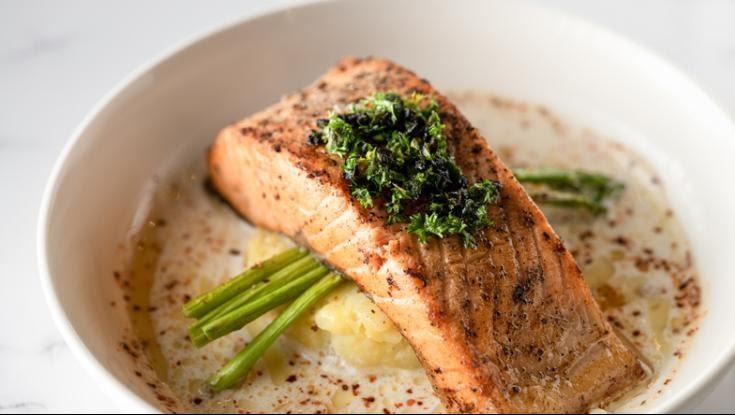
Salmon comes in quite a few different varieties — canned sockeye salmon, smoked chinook salmon, canned pink salmon, cooked sockeye salmon, cooked pink salmon and even cooked wild coho salmon — and all of them are chock-full of vitamin D. All of these options will help you hit your goals. After all, a three-ounce serving of canned sockeye salmon contains 17.9 mcg of vitamin D, while a three-ounce portion of cooked sockeye salmon contains 11.1 mcg of vitamin D.

Photo Courtesy: Justin Ong/Getty Images

Smoked Whitefish

Want to change up that salmon intake? Whitefish can help with that. While whitefish are a species of fish, the term also refers to a cluster of types of fish, all of which have a mild, slightly sweet flavor. Some of the most popular "whitefish" include pollock, bass, cod, halibut, grouper and haddock. On average, a standard three-ounce serving of smoked whitefish contains an impressive 10.8 mcg of vitamin D.

Photo Courtesy: Bohemian Nomad Picturemakers/Getty Images

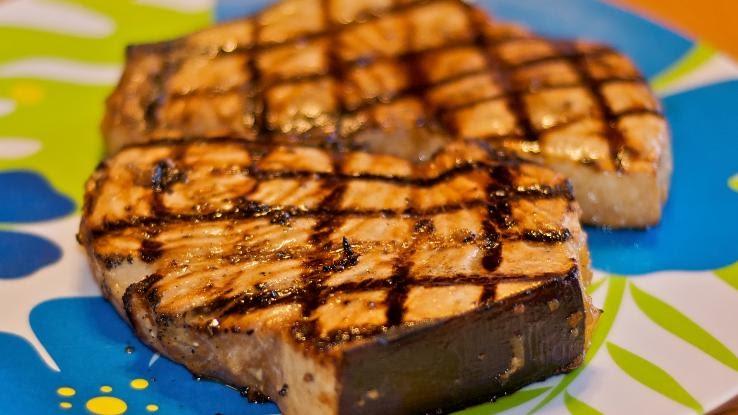
Swordfish

If you're looking for a terrific source of vitamin D, and to break up all that whitefish and salmon, try swordfish. These creatures can grow to be a whopping 1,400 pounds — and nearly 15-feet in length. While you wouldn't want to tangle with one of these in the ocean, encountering it as a nice, grilled steak is a treat. Best of all, a three-ounce portion will provide you with 14.1 mcg of vitamin D.

Photo Courtesy: Shawn Miller/Getty Images

Tilapia

Tilapia is a cluster of fish species that aren't found in nature. That is, tilapia is a farmed fish, which makes it pretty inexpensive. This mild species is the fourth most common type of seafood eaten by Americans, in part because of its versatility. We recommend a nice herb-and-parmesan crust, but, any way you slice it (or season it), a three-ounce portion will provide you with 3.1 mcg of vitamin D.

Photo Courtesy: Mike Kemp/Getty Images

Canned Tuna

Not into canned food? Well, canned fish should probably be your exception. In fact, canned tuna, in addition to being readily available and inexpensive, can make an abundance of tasty meals, from tuna salad and melts to casseroles. Best of all, a three-ounce serving of light tuna canned in oil contains about 5.7 mcg of vitamin D.

Photo Courtesy: LauriPatterson/Getty Images

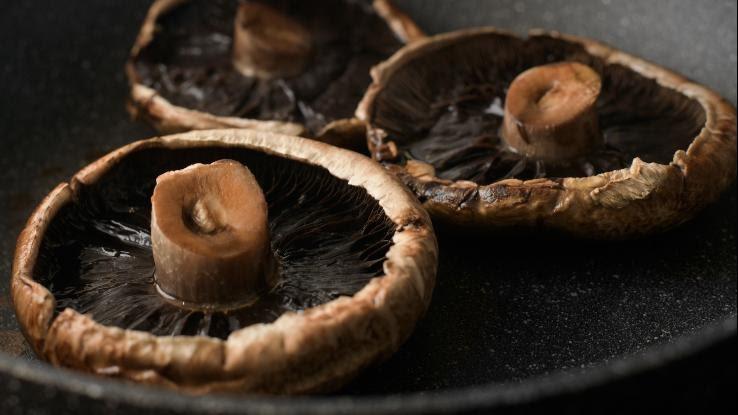
Mushrooms

The five fish options we've listed above might not have surprised you, but this one might. Many varieties of mushrooms — including portabella, cremini, morels, chanterelles, maitake, and even your basic white button mushrooms — are excellent sources of vitamin D. In fact, half a cup of grilled portabella mushrooms delivers an impressive 7.9 mcg of vitamin D.

Photo Courtesy: Robert Lowdon/Getty Images

Eggs

Eggs — and, in particular, egg yolks — are one of the easiest, cheapest and quickest ways to nab some vitamin D. However, they may not be the food of choice for folks with high cholesterol. If your diet allows, whip up two scrambled eggs and enjoy getting 5% of your recommended daily intake of vitamin D first thing in the morning.

Photo Courtesy: valentinrussanov/Getty Images

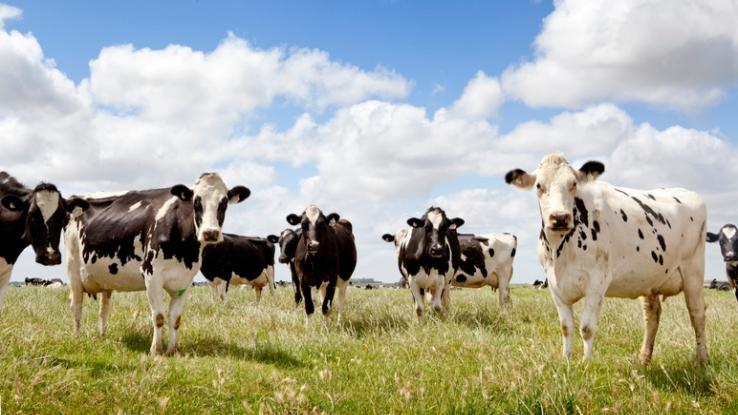
Milk

Milk is more than just a great source of calcium. In fact, vitamin D is among its significant nutritional benefits. When it comes to a 16-ounce serving of cow's milk, the vitamin D content varies based on the milk's composition. For example, whole milk contains 6.3 mcg of vitamin D, while 2%, 1% and skim milk all contain 5.9 mcg. Even soy and dehydrated (powdered) milk will help you reach your goals by providing 5.8 mcg and 3.4 mcg of vitamin D respectively.

Photo Courtesy: JW LTD/Getty Images

Yogurt

Milk is not the only dairy product capable of delivering some serious vitamin D benefits. Of course, the nutritional value of yogurt changes depending upon the variety. For example, Greek-style yogurt contains more protein and less sugar than other types of yogurt. Nonetheless, you can still expect anywhere from 2 to 3 mcg of vitamin D per eight-ounce serving, regardless of the variety of yogurt.

Photo Courtesy: Westend61/Getty Images

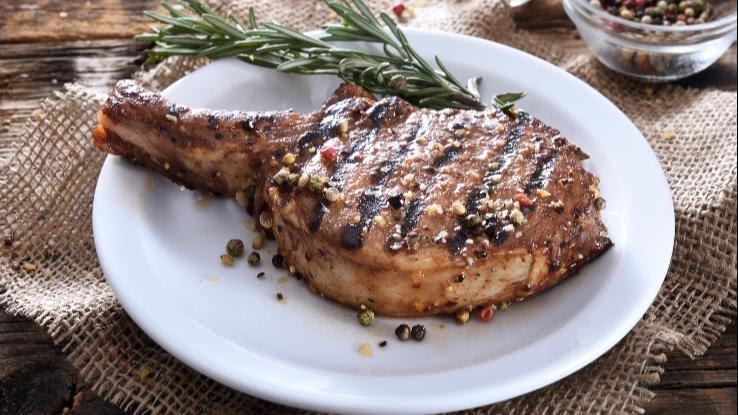
Pork

So far, you've seen lots of fish and dairy options. You might be wondering, Where's the meat? Well, generally speaking, beef and chicken are not great sources of vitamin D. In fact, if you're a meat lover in search of some vitamin D, pork is your best bet. The nutritional value of pork varies depending upon the cut, method of preparation and more, but you're likely to find between 0.2 to 2.2 mcg of vitamin D in a standard three-ounce serving of pork.

Photo Courtesy: EasyBuy4u/Getty Images

Resource Links:

  • The U.S. Department of Health and Human Services and Department of Agriculture's Dietary Guidelines for Americans
  • The National Institutes of Health (NIH)

MORE FROM SYMPTOMFIND.COM

How Long Should You Sit In Sun For Vitamin D

Source: https://www.symptomfind.com/health/vitamind-foods?utm_content=params%3Ao%3D740013%26ad%3DdirN%26qo%3DserpIndex

Share:
banner